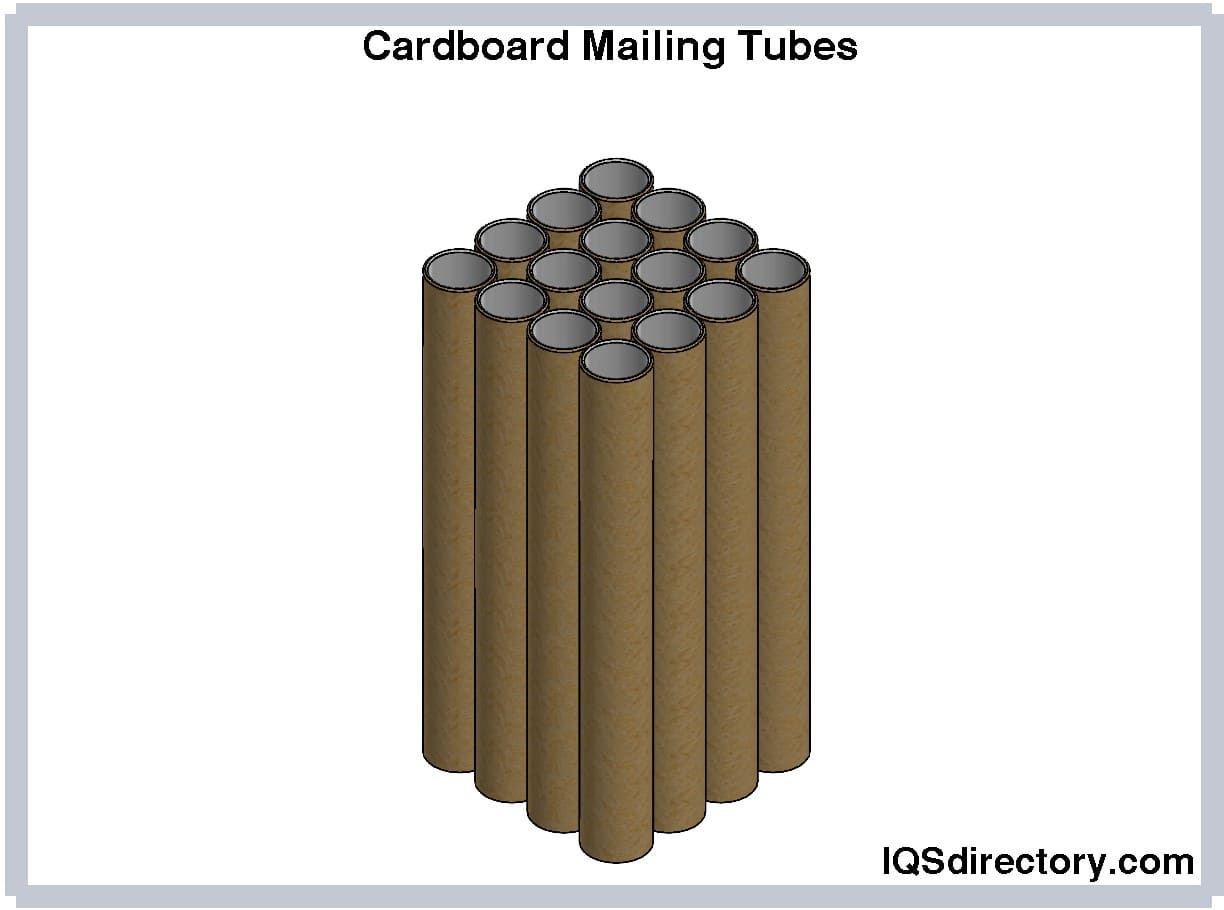
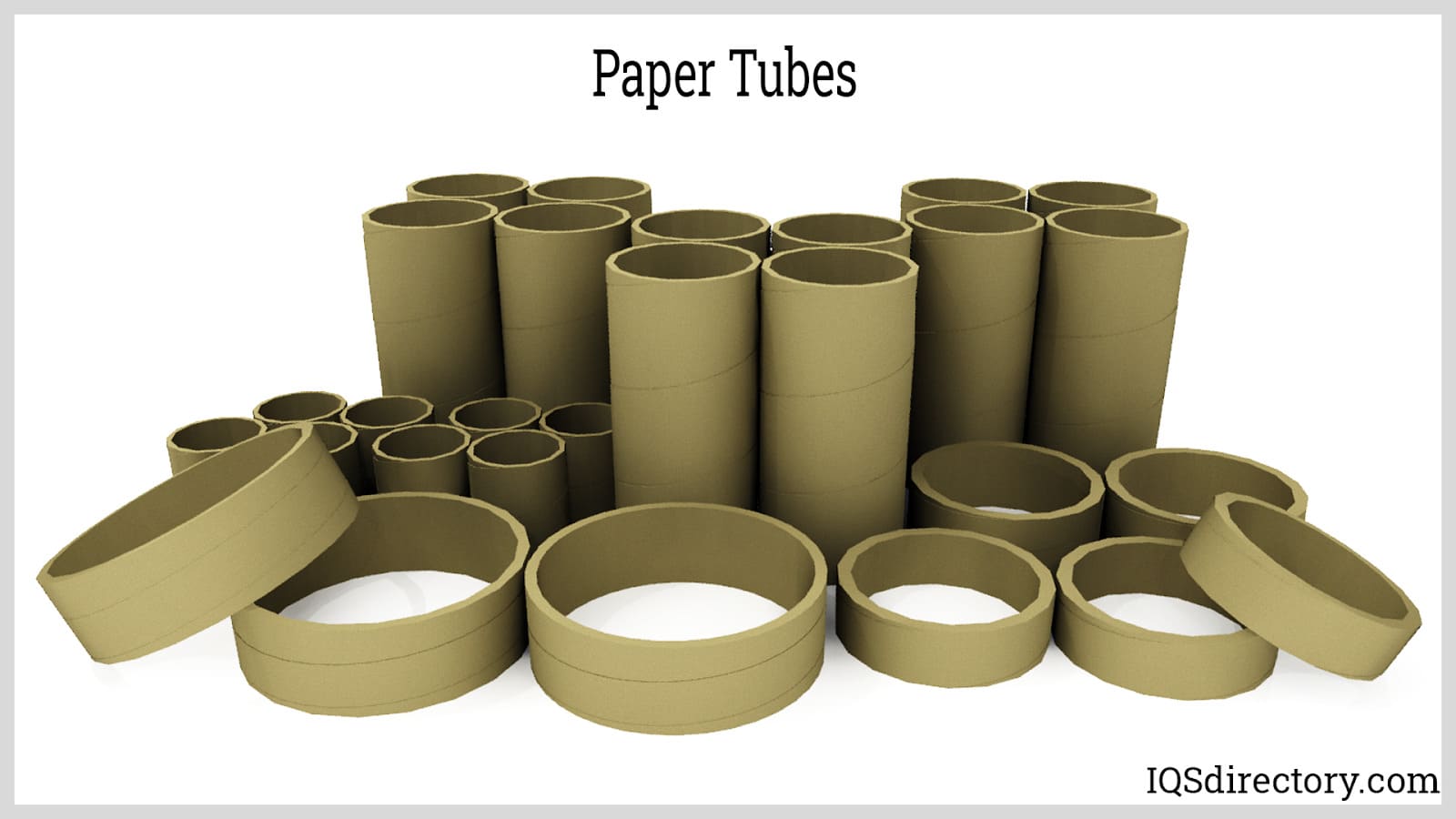
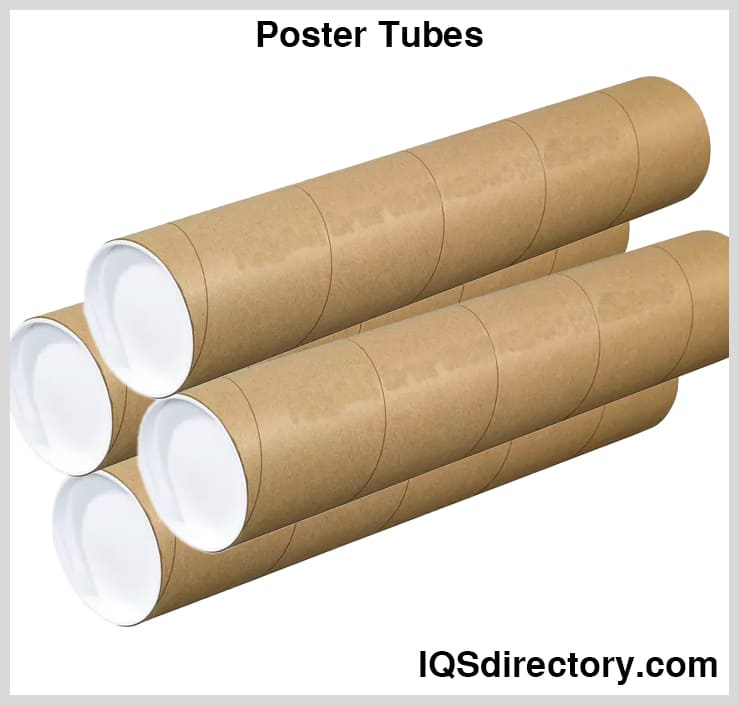
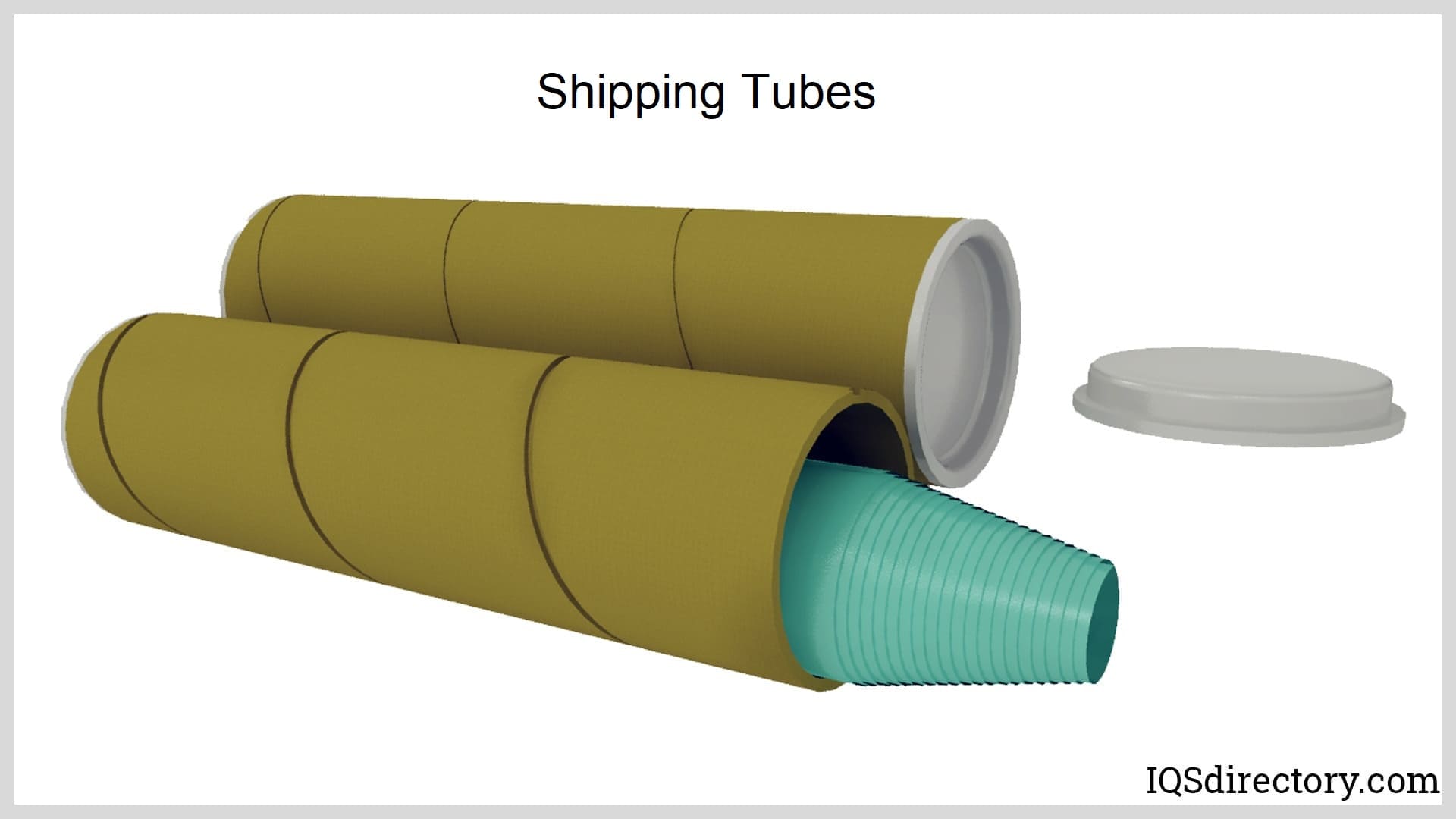
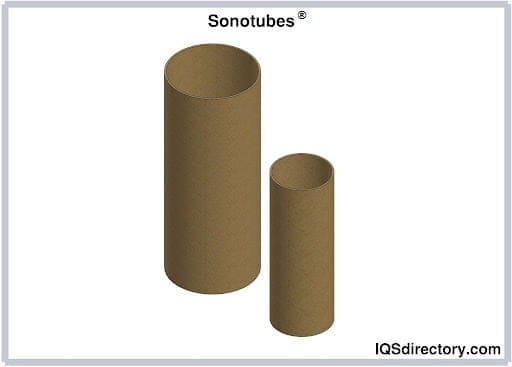
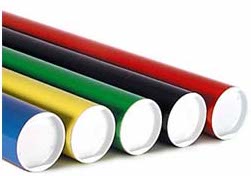
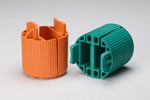
Cardboard concrete tubes are cylindrical forms made of cardboard, which are used to create concrete structures. They are commonly used in construction projects where a circular or cylindrical shape is desired. These tubes can be used for a variety of purposes, including building columns, piers, and footings. Read More…
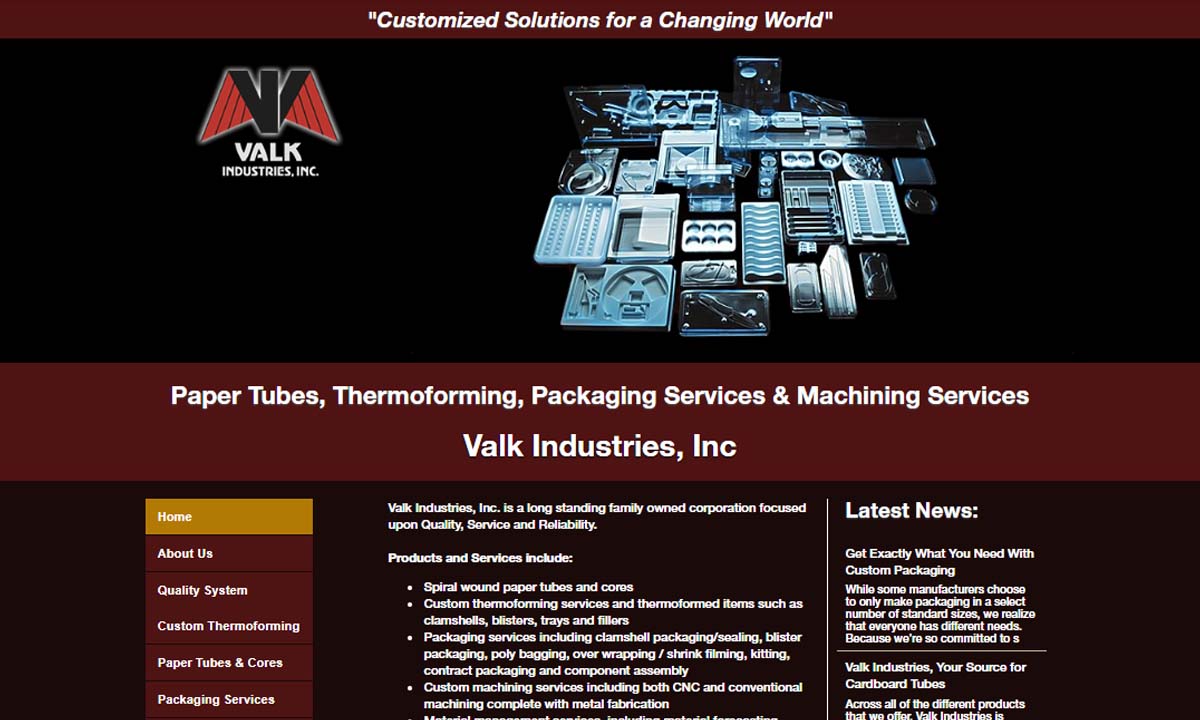
Valk Industries provides engineering and manufacturing services for cardboard tubes as well as custom thermoformed items like clamshells, blister packs, trays and filler material.
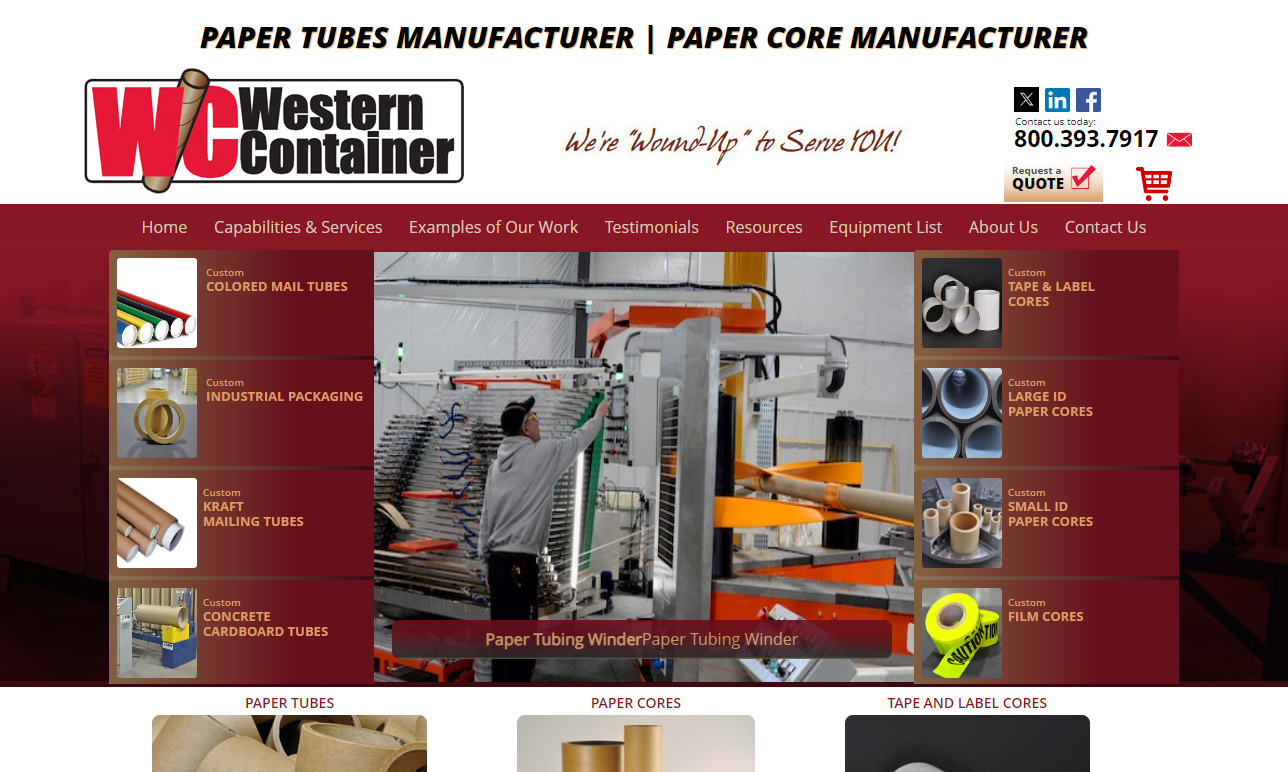
Western Container partners with the world`s top spiral tube equipment designers & paperboard manufacturers, to bring our customers the very best paper tubing and precision cores.
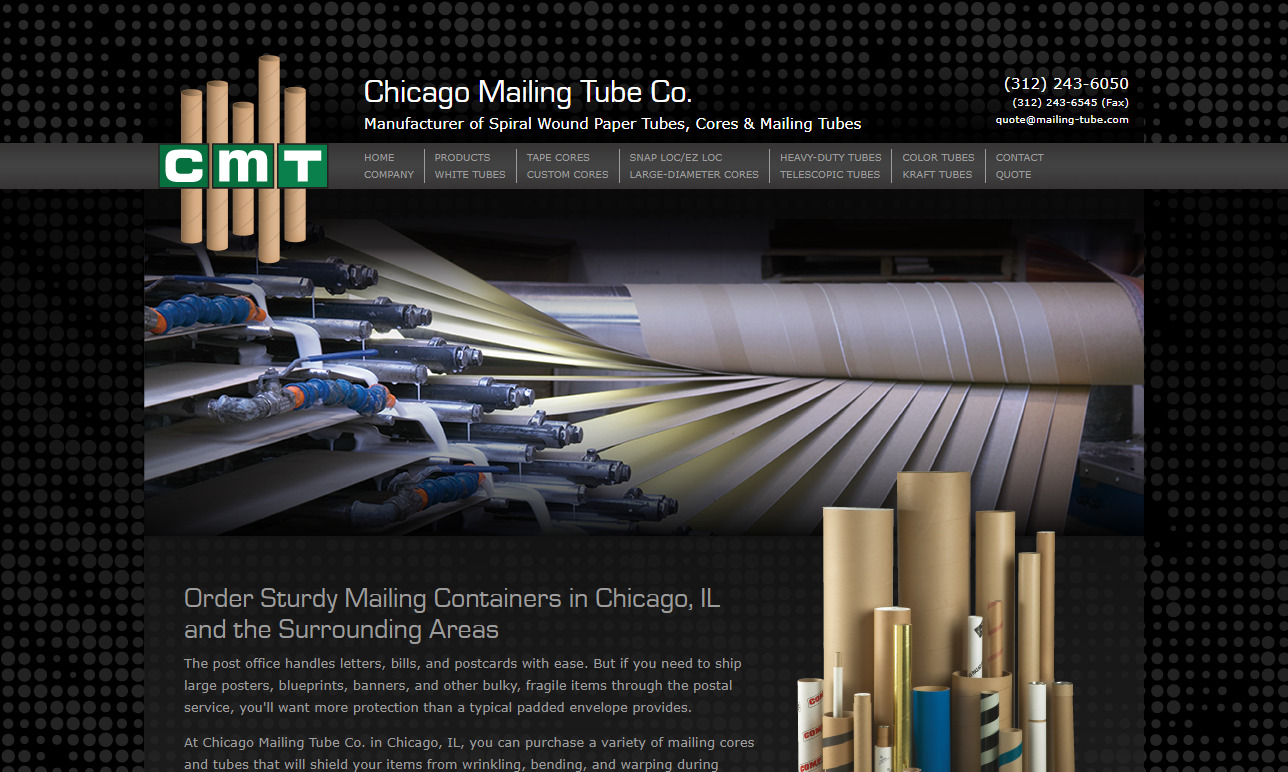
Chicago Mailing Tube is a premier manufacturer of custom paper tubes, containers, and cores, providing products that are both high quality and economical. CMT has been meeting custom size and design requirements for its customers since 1902.
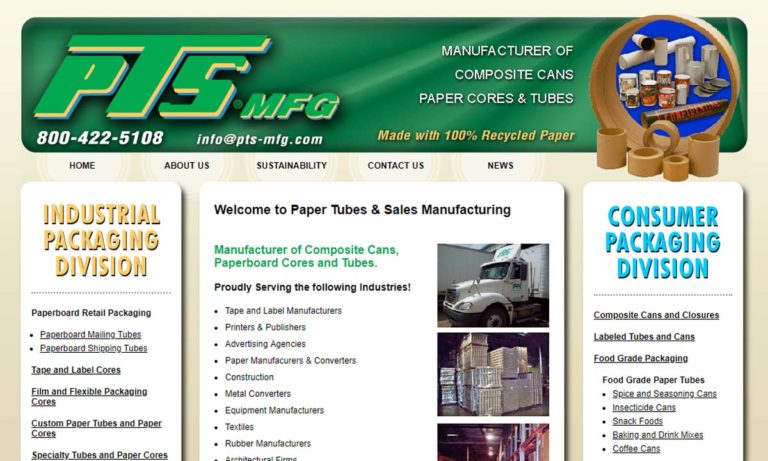
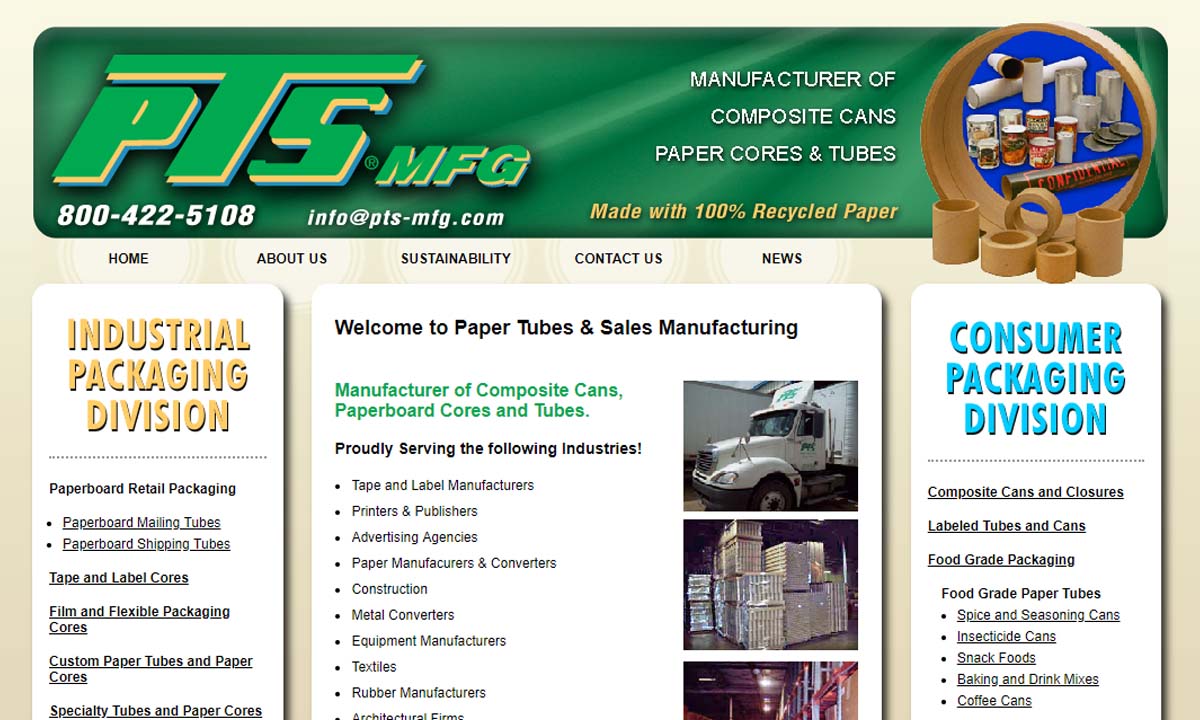
Here at Paper Tubes and Sales we are a proven manufacturer of high quality cardboard tubes. These products are ideal for a multitude of industries and our teams are available to assist you with determining the best paper tube for your application.
Marshall Paper Tube Company designs and manufactures custom labeled cans, tubes, and mailings. We can create amazing custom designs in full color for your product or brand. We also provide specialty items like coin collection banks and fundraising cans. All of our products are made in the United States of America and out of 100% recycled paperboard in an effort to stay “green.”


More Concrete Tube Manufacturers
Creation of Cardboard Concrete Tubes
Cardboard concrete tubes, also known as concrete form tubes or fiber form tubes, play a pivotal role in modern construction projects. The manufacturing process of these cylindrical forms is engineered for both efficiency and quality. Typically, sheets of high-strength cardboard or fiberboard are spirally wound or longitudinally wrapped around a steel mandrel to achieve the desired tube shape and diameter. The overlapping edges are then securely glued with industrial-grade adhesives, and sometimes stapled, to ensure a robust, seamless, and uniform tube wall. These steps contribute to the tube’s structural integrity and ability to withstand the rigors of concrete pouring and setting.
Customization is a key advantage in the creation of cardboard concrete tubes, with manufacturers offering a range of diameters (from as small as 6 inches to over 60 inches) and lengths to suit diverse construction requirements. For specialized applications, the inner surface of the tube may be finished with a smooth, glossy, or poly-coated layer. This inner finish facilitates easy stripping and removal of the formwork from the cured concrete, reducing the risk of surface imperfections on the finished column or pier. Additionally, water-resistant coatings—such as wax, polyethylene, or resin—can be applied to enhance durability in wet or humid environments and prevent premature degradation during the pour.
Are you curious about the technical details of how concrete form tubes are manufactured to meet specific project needs? Explore top suppliers and their manufacturing capabilities.
Types of Cardboard Used in Concrete Tubes
The performance of a concrete form tube is heavily influenced by the type of cardboard or paperboard material employed. Leading manufacturers source a variety of raw materials, including:
- Recycled Paper Products: Eco-friendly and cost-effective, recycled fibers are often used for general construction applications. They contribute to sustainability goals by minimizing waste and utilizing post-consumer content.
- Virgin Paper Pulp: Ideal for heavy-duty or large-diameter tubes, virgin pulp offers superior strength and structural reliability, making it a preferred choice for high-load or critical infrastructure projects.
- Kraft Paper: Known for its toughness and resistance to tearing, kraft paper is commonly used in the outer layers, lending extra resilience during handling and placement.
Different material blends and multi-ply constructions can be selected based on project specifications, such as tube length, required compressive strength, and expected exposure to moisture. For installations in wet or variable climates, tubes may be laminated with waterproof coatings or integrated with moisture barriers to reduce absorption and maintain performance throughout the pour and curing stages.
Wondering which material composition is best for your next concrete project? Compare specifications from leading cardboard tube suppliers.
Considerations Regarding Cardboard Concrete Tubes
When selecting cardboard concrete tubes for use as concrete forms, several critical considerations must be evaluated to ensure optimal results and long-term structural integrity:
- Strength and Load Capacity: Although cardboard form tubes are engineered for high compressive strength, their performance can vary based on tube diameter, wall thickness, and material composition. For columns supporting heavy loads or subject to significant lateral forces, always verify manufacturer specifications for maximum recommended pour heights and weights.
- Moisture Absorption: Cardboard is inherently susceptible to moisture. Prolonged exposure to water or damp conditions can weaken the tube, potentially leading to bulging or collapse during a concrete pour. To mitigate this risk, select tubes with water-resistant coatings or those specifically rated for damp-site use.
- Application Suitability: While cardboard concrete tubes are ideal for residential, commercial, and light industrial foundations, they may not be suitable for extreme loads, deep foundations, or permanent structural applications where steel or plastic forms are required. Assess your project’s technical requirements before choosing a formwork material.
- Storage and Handling: To preserve tube integrity on-site, avoid storing concrete form tubes in direct contact with the ground or exposed to rain for extended periods. Elevated and covered storage is recommended.
Have questions about the load limits or environmental suitability of specific cardboard concrete tubes? Contact vetted suppliers for expert advice and technical datasheets.
Benefits of Cardboard Concrete Tubes
Cardboard concrete tubes offer a compelling combination of advantages for contractors, builders, and DIY enthusiasts alike. Here are the most significant benefits driving their widespread adoption in the construction industry:
Cost-Effectiveness
Cardboard concrete tubes are among the most economical solutions for forming round concrete columns, footings, and piers. The use of recycled or readily available paper materials keeps production costs low, allowing suppliers to offer highly competitive pricing compared to steel, plastic, or fiberglass alternatives. This cost efficiency is especially valuable for large-scale projects or situations where a high volume of formwork is required.
Lightweight and Easy to Handle
One of the most appreciated features of cardboard concrete tubes is their lightweight design. A single worker can typically carry and position tubes without the need for cranes or heavy lifting equipment, streamlining the installation process. This ease of handling not only reduces labor costs but also speeds up jobsite workflow and enhances productivity.
Environmentally Friendly Solution
With sustainability becoming a key driver in construction, cardboard form tubes stand out for their eco-friendly profile. Many tubes are manufactured from 100% recycled paper, and the finished products are fully biodegradable, minimizing landfill impact and supporting green building certifications such as LEED. For environmentally conscious builders, this characteristic can be a decisive factor in material selection.
Customizable Dimensions and Finishes
From small deck footings to large structural columns, cardboard concrete tubes can be customized in length, diameter, and wall thickness to meet specific architectural or engineering requirements. Specialty finishes—such as spiral or smooth interiors, colored exteriors, or printed branding—can also be specified for custom or decorative work.
Ease of Removal and Site Cleanup
Once the concrete has sufficiently cured, cardboard tubes are designed for easy stripping. The form can be peeled away or cut with simple hand tools, leaving behind a clean, round surface that typically requires minimal finishing. This contrasts with metal or plastic forms, which may need special tools or labor-intensive disassembly, increasing project costs and complexity.
Safety and Non-Toxicity
Cardboard is inherently non-toxic and safe to handle, producing no hazardous dust or fumes during installation or removal. This reduces health risks for workers and contributes to a safer jobsite environment. In addition, the absence of sharp edges or heavy components lowers the risk of injury during handling.
Versatility Across Construction Projects
Cardboard concrete tubes are suitable for a wide range of construction applications, from residential decks and porches to commercial foundations and landscape features. Their adaptability makes them a go-to solution for builders seeking reliable, cost-effective, and environmentally responsible formwork.
Want to learn more about the advantages of cardboard concrete tubes compared to steel or plastic alternatives? Browse our supplier profiles for expert insights and case studies.
Applications of Cardboard Concrete Tubes
Cardboard concrete tubes serve as essential components across diverse construction and landscaping projects. They are widely recognized for their efficiency and reliability in forming cylindrical concrete structures, including but not limited to:
- Building Columns and Piers: Create strong, uniform support columns for residential and commercial buildings, bridges, and overpasses.
- Foundation Footings: Form round footings for decks, porches, sheds, and light industrial structures, ensuring stability and load distribution.
- Decorative Landscaping Structures: Shape planters, tree rings, garden walls, and custom architectural elements with ease.
- Concrete Curbs and Gutters: Use in roadway and sidewalk construction for forming precise, curved concrete edges.
- Culverts, Tunnels, and Utility Passages: Construct temporary or permanent cylindrical forms for drainage, utility access, and small tunnels.
- Sign and Light Pole Bases: Securely set poles and posts in concrete footings using round form tubes for uniform results.
- Bridge Support and Marine Construction: In certain cases, specialty-coated tubes can be used for forming bridge piers or marine pilings, provided environmental conditions are suitable.
Which construction or landscaping projects are best suited for cardboard concrete tube forms? Get expert recommendations from our top suppliers.
Key Decision Factors When Purchasing Cardboard Concrete Tubes
Choosing the right cardboard concrete tube for your project involves evaluating several key criteria to ensure safety, durability, and cost-effectiveness:
- Tube Diameter and Wall Thickness: Select the appropriate size based on design specifications and load requirements. Larger diameters may require thicker walls for added strength and stability.
- Water Resistance: For outdoor or below-grade applications, opt for tubes with moisture-resistant coatings or liners to prevent weakening during the pour.
- Length and Customization: Determine if standard lengths meet your needs or if custom-cut tubes are necessary for unique architectural features.
- Ease of Removal: Consider tubes with smooth or poly-coated interiors for faster stripping and reduced surface blemishes on finished concrete.
- Lead Times and Availability: Confirm supplier inventory levels and turnaround times to avoid project delays, especially for large or time-sensitive jobs.
- Environmental Certification: If sustainability is a priority, look for products made from recycled content and inquire about certifications from third-party organizations.
Ready to compare options and request pricing from leading cardboard concrete tube manufacturers? Submit your project requirements for personalized quotes.
Innovations and Trends in Cardboard Concrete Tube Technology
The construction industry continues to evolve, and cardboard concrete tube technology is no exception. Manufacturers are investing in new materials, advanced coatings, and precision manufacturing techniques to improve form tube performance. Recent innovations include:
- Enhanced Water-Resistant Coatings: New resin and polymer-based coatings offer superior moisture protection, expanding the use of cardboard tubes in challenging environments.
- Improved Multi-Ply Construction: Layered designs increase compressive strength and durability, enabling the use of cardboard tubes for larger and more demanding projects.
- Pre-Scored or Easy-Strip Designs: Features such as tear-away strips simplify tube removal, reducing labor time and risk of surface damage.
- Eco-Friendly Manufacturing: Greater use of recycled fibers and low-VOC adhesives aligns with green building standards and project sustainability goals.
- Custom-Printed Branding: Suppliers now offer custom printing for company logos or jobsite information, supporting branding and project management.
Interested in the latest advancements in concrete form tube technology? See what innovations leading suppliers can offer for your project.
Choosing the Proper Cardboard Concrete Tube Supplier
To ensure the success of your construction project, selecting a reputable and experienced cardboard concrete tube supplier is essential. Our cardboard concrete tube supplier directory allows you to efficiently compare multiple vendors based on their product range, technical expertise, and customer service records. Each supplier profile features detailed information about:
- Areas of specialization and manufacturing capabilities
- Certifications and compliance with industry standards
- Available tube sizes, finishes, and customization options
- Delivery areas and lead times
- Case studies and project references
Use our patented website previewer to quickly assess each company’s product offerings and reputation. When you are ready to take the next step, our streamlined RFQ (Request For Quote) form lets you contact multiple suppliers simultaneously—saving you time and ensuring you get the most competitive bids for your project.
Still have questions about sourcing, pricing, or technical requirements for cardboard concrete tubes? Contact our experts or submit your RFQ to get started.
Frequently Asked Questions About Cardboard Concrete Tubes
- How do I determine the correct diameter and wall thickness for my project?
Consult your structural engineer or architect and refer to manufacturer guidelines for maximum pour heights and load capacities. Our supplier directory can connect you with technical experts for personalized recommendations. - Can cardboard concrete tubes be used for permanent structures?
While cardboard tubes are typically used as disposable forms, in some cases they may be left in place for below-grade or non-exposed applications. Check with your local building codes and the tube manufacturer for suitability. - How do I store cardboard form tubes to prevent damage?
Store tubes in a dry, covered area off the ground to avoid moisture absorption and deformation. Avoid stacking heavy materials on top of tubes prior to use. - Are cardboard concrete tubes environmentally friendly?
Yes, most are made from recycled paper and are biodegradable, making them an eco-friendly choice for sustainable construction and green building projects. - Where can I buy cardboard concrete tubes in bulk?
Use our supplier directory to find bulk suppliers, compare pricing, request large-quantity quotes, and learn about delivery options for your region.
Looking for more answers? Ask our suppliers or browse detailed product information today.
Find the Best Cardboard Concrete Tube Suppliers
When it comes to sourcing high-quality cardboard concrete tubes for your construction or landscaping project, partnering with the right supplier is critical. Our comprehensive directory makes it easy to:
- Browse suppliers by location, specialty, and product range
- Review certifications, customer testimonials, and project portfolios
- Request custom tube dimensions and finishes
- Get expert advice on technical requirements and compliance
- Submit RFQs to multiple suppliers for competitive pricing
Ready to take the next step? Start your search for the best cardboard concrete tube supplier now and ensure your project’s success with reliable, customizable, and cost-effective concrete forming solutions.